 Adly
Choose 3 content pillars
A simple way to decide what to post every week, with examples you can copy.
Free guide · No signup
A free, practical playbook for small businesses in the Arab world. What to post, how often, how to write captions that sell, and a 30-day plan you can start next week.
Free to read · No signup, no email · 8 chapters with free tools
You run a shop, a salon, a clinic, a restaurant or an online store. You post when you remember, likes come and go, and it is hard to tell whether Instagram and Facebook bring you any sales.
This guide is the system we would hand a friend in that position. No hacks and no made-up numbers, just habits that work for small teams with little time. Most chapters end with one thing to do this week.
It is free to read, with no signup and no email. The tools linked along the way are free too. If you later want the posts made and published for you, Adly does that, but you can follow every step here with a phone and a notebook.
A simple way to decide what to post every week, with examples you can copy.
How often to post, when to post, and how to make a whole week of content in one hour.
Offer posts, carousels, before and after, UGC-style video, reviews, and a 5-part caption.
How to plan for Ramadan, both Eids, White Friday, back to school and National Days.
How to spot a winning post and put a small budget behind it.
The signals that point to sales, and a 30-day plan to get started.

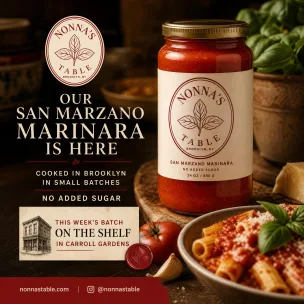














A content pillar is a topic you come back to every week. Three pillars give your account a clear shape and end the daily “what do I post today?” problem. One pillar gets repetitive fast. Six make the account feel random.
For most small businesses, these three work:
Make the pillars specific to you. A bakery might use “this week’s cakes and pre-orders”, “how to pick a cake size for your guests” and “the early morning kitchen”.
This week: write your three pillars on one page and list five post ideas under each. That is 15 ideas, enough for five weeks at three posts a week.
The best schedule is the one you still follow in your busiest month. An account that posts three times a week all year builds more than one that posts daily for two weeks and then goes quiet.
A rhythm most owners can keep:
Work in batches. Pick one hour on the same day each week, make the week’s posts and schedule them. Then spend a few minutes a day replying to comments and messages, because a fast reply often decides the sale.
Check Instagram Insights to see when your followers are online, and post a little before that. For many businesses in the region evenings are busy, and during Ramadan activity moves to after iftar and late at night.
Preview how the week will look on your profile with the free Instagram grid maker, and size each image for its placement with the image resizer.
This week: put a recurring one-hour “content hour” in your calendar and plan next week’s three posts in it.
Some formats earn likes. These five earn messages and orders.
One product or bundle, the price or discount, the deadline and how to order. One message per design. Make the price easy to read on a phone and keep the text short. Add text to a product photo with the free text on image tool, and check the social safe zone so Story and Reel buttons do not cover your price.
Slide one is the hook, such as “5 gifts under 100 riyals”. Each slide after that shows one product with its name and price. The last slide says how to order. Carousels suit ranges, collections and step-by-step guides. The background remover gives you clean product photos. To spread one wide image across several swipes, use the Instagram carousel splitter.
Ideal for services: cleaning, salons, car care, renovation, tailoring. Shoot both photos from the same angle in the same light, and always get the customer’s permission. Keep these organic at first. Meta restricts before and after images in ads for some categories, such as weight loss and some health and cosmetic treatments, so read the ad policy before you boost one.
A person holding the product and talking to the camera, filmed vertically on a phone. A simple structure works: the problem, the product, the result, where to buy. The first two seconds decide whether people keep watching, so open with the product or the problem, not your logo. Test your opening line with the free ad hook analyzer.
Screenshot a kind WhatsApp message or a Google review, hide the name and number, and ask the customer first. Never invent a review. One real message from a real customer does more than ten polished claims.
The design stops the scroll. The caption closes the sale. Use five parts, in this order:
Here is an example for a fictional abaya shop:
“Wrinkled by noon? Not this one. Our new crepe abaya stays crisp from the morning school run to dinner. Free alterations within 7 days and delivery across the city. Message us on WhatsApp to order, link in bio.”
Keep hashtags few and specific to your product and city. Instagram allows up to 30, but more is not better.
Write a first draft with the free ad caption writer, keep ad text within limits with the Meta ad character counter, and tidy your profile with the Instagram bio formatter.
This week: rewrite the caption of your last three posts using the five parts, and add a WhatsApp link to your bio.
Write in the language your customers buy in. If most of them are Arab, lead with Arabic, and write it natively rather than translating an English post. Machine-translated captions read as foreign and cost you trust.
Then plan around the seasons your customers already shop in. Islamic dates move about 10 to 11 days earlier each year, so check the calendar every year and start preparing three weeks ahead.
| Season | What to post |
|---|---|
| Ramadan | Start before it begins with stock-up and gifting posts. During the month: iftar and suhoor offers, late-night posting, and a warm, generous tone rather than hard selling. |
| Eid al-Fitr | Gifts, new outfits, sweets and family plans. Post your last order and delivery dates clearly and early. |
| Eid al-Adha | Family gatherings, hosting, travel and gifts. Publish delivery cut-off dates here too. |
| White Friday | The region’s name for the Black Friday season in late November. Tease early, collect interested customers on WhatsApp, and give the offer a firm deadline. |
| Back to school | Bundles and checklists for parents. Timing differs by country, from late August into September. |
| National Days | For example Saudi Founding Day (22 February) and Saudi National Day (23 September), UAE National Day (2 December), Qatar National Day (18 December), Kuwait National Day (25 February) and Bahrain National Day (16 December). Celebrate with pride, not only a discount, and check local rules on using flags and national symbols in ads. |
Adly makes free holiday creatives for each brand, so you have a design ready for these moments even in a busy week.
This week: add the next three months of seasons to your calendar, each with a “start preparing” date three weeks earlier.
Every organic post is a free test. When a post gets clearly more saves, shares, comments or messages than usual, your audience is telling you where to put money.
Boosting a post from the Instagram or Facebook app is a fine first step. Ads Manager gives you more control over the goal, audience and placements when you are ready. In Adly you can launch a Meta ad campaign from an approved design, and the Meta Ads AI audit reviews an ad account you connect.
This week: find your best post of the last month by saves, shares and messages, and write down why you think it worked.
Likes feel good but do not pay rent. Follow the signals that sit closer to a sale:
Once a month, take half an hour for a review. Write down your three best posts by saves, shares and messages, the pillar each one belongs to and its format. Make more of what won and drop what did not. A simple sheet with one row per post is enough: date, pillar, format, saves, shares, DMs, WhatsApp chats and sales.
And ask every new customer one question: “How did you hear about us?” It costs nothing and fills the gaps your analytics miss.
Here is the whole guide as one month of work. Each week builds on the last.
| Days | Focus | What to do |
|---|---|---|
| 1 to 3 | Set up | Write your 3 pillars and 15 post ideas. Clean up your bio, add a WhatsApp link, and create Story highlights for offers, reviews and how to order. |
| 4 to 7 | First posts | Publish one teach, one trust and one sell post. Post Stories on most days. |
| 8 to 14 | Teach and trust | Publish your first carousel and your first real customer review. Film one UGC-style video. |
| 15 to 21 | Sell | Run one clear offer with a deadline: an offer post, a product carousel and a video, all pointing to WhatsApp. Add UTM tags to every link. |
| 22 to 26 | Amplify | Take the post with the most saves, shares and messages and run it as a small ad. Reply to every comment and message the same day. |
| 27 to 30 | Review and plan | Do your monthly review, add the next season to your calendar, and plan next month’s posts in one content hour. |
After 30 days you will have a rhythm, a short list of formats that work for your customers, and your first ad built on a proven post. Keep the rhythm and repeat the review every month.
If you would rather not make every design yourself, Adly creates on-brand posts, carousels and videos and publishes them from one content calendar. On Solo and up, Brand Plan lays out what to sell over the next three months.
70 designs, 16 videos a month
1 brand, publishing to Facebook, Instagram, TikTok and LinkedIn
150 designs, 36 videos a month
1 brand, publishing to Facebook, Instagram, TikTok and LinkedIn
300 designs, 80 videos a month
Up to 5 brands, publishing to Facebook, Instagram, TikTok, LinkedIn and X
1000 designs, 200 videos a month
Up to 30 brands, publishing to Facebook, Instagram, TikTok, LinkedIn and X
Yearly billing gives you 2 months free. Compare every plan
Yes. There is no signup and no email form. The tools linked in the guide are free as well.
Three feed posts a week plus Stories on most days is a rhythm most owners can keep all year, and that matters more than volume.
Go back to your three pillars: sell, teach and trust. Answer a question from your DMs, show a product in use, or share a customer message with their permission.
In the language your customers buy in. If you serve both, make two versions rather than putting both languages on one design.
About three weeks before it begins. Islamic dates move earlier each year, so check the calendar every year.
Boosting from the app is a simple first step. Ads Manager gives you more control over the goal, the audience and the placements.
Use UTM tags on links, a different pre-filled WhatsApp message for each channel, and ask every new customer how they found you.
Not to start. A phone camera, free tools and clear offers go a long way. If you want designs and videos made for you, Adly creates them from your brand kit.
Yes. The same pillars, formats and captions work on a Facebook Page. Adjust the caption length, and use Facebook for events and longer posts.
Adly turns this plan into on-brand designs, carousels and videos with captions in Arabic or English, then publishes them to Facebook, Instagram, TikTok, LinkedIn and X.
Try Adly free